
Ascaso Espresso Machines & Grinders
Our customers include


and hundreds of cafés, restaurants and offices.

Lifetime Support

Fast Free Shipping

Warranty Included

Authorized Reseller
-
Ascaso Steel DUO PID Espresso Machine
Vendor:AscasoRegular price $ 2,095.00Regular priceUnit price per- Dual-thermoblock system
- Programmable volumetric dosing
- PID temperature control
-
Ascaso Dream PID White Espresso Machine
Vendor:AscasoRegular price $ 1,635.00Regular priceUnit price per- 58mm commercial portafilter
- PID temperature control
- 15-bar commercial pump
-
Ascaso Dream PID Sweet Cream Espresso Machine
Vendor:AscasoRegular price $ 1,635.00Regular priceUnit price per- PID temperature control
- E61 commercial group head
- Simultaneous brew and steam
-
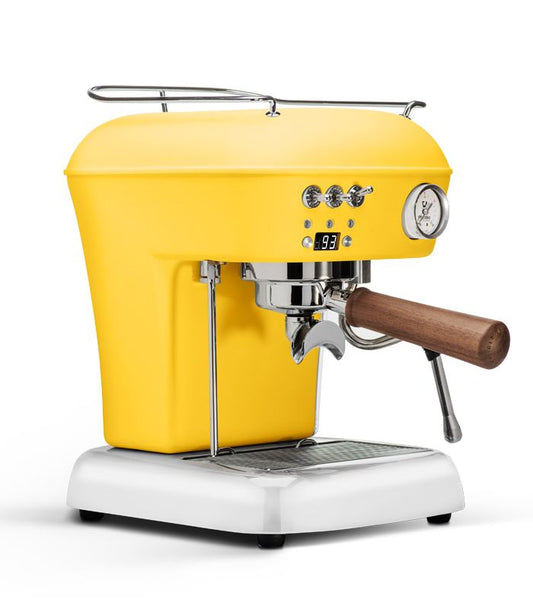
Ascaso Dream PID Sun Yellow Espresso Machine
Vendor:AscasoRegular price $ 1,635.00Regular priceUnit price per -
Ascaso Baby T Plus 1 Group Automatic
Vendor:AscasoRegular price $ 6,245.00Regular priceUnit price per$ 6,999.00Sale price $ 6,245.00- PID brew thermoblock + 2.5L steam boiler
- Automatic volumetric dosing
- 1-group automatic operation
Sale -
Ascaso Barista T Plus 3 Group Automatic
Vendor:AscasoRegular price $ 13,449.00Regular priceUnit price per$ 16,999.00Sale price $ 13,449.00- 3-group commercial capacity
- Volumetric automatic dosing
- Powerful commercial steam output
Sale -
Ascaso Dream PID Kid Blue Espresso Machine
Vendor:AscasoRegular price $ 1,635.00Regular priceUnit price per- 58mm commercial portafilter
- PID temperature control
- 15-bar commercial pump
-
Ascaso Dream PID Aluminum Espresso Machine
Vendor:AscasoRegular price $ 1,735.00Regular priceUnit price per- 58mm commercial portafilter
- PID temperature control
- 15-bar commercial pump
-
Ascaso Dream PID Anthracite Black Espresso Machine
Vendor:AscasoRegular price $ 1,635.00Regular priceUnit price per- 58mm commercial portafilter
- PID temperature control
- 15-bar commercial pump
-
Ascaso Dream PID Love Red Espresso Machine
Vendor:AscasoRegular price $ 1,635.00Regular priceUnit price per- 58mm commercial portafilter
- PID temperature control
- 15-bar commercial pump
-
Ascaso H64 Espresso Grinder
Vendor:AscasoRegular price $ 895.00Regular priceUnit price per- 64mm flat steel burrs
- Stepless micrometric grind adjustment
- Low retention precision grinding
-
Ascaso Steam Handle - Walnut (Barista T)
Vendor:AscasoRegular price $ 53.40Regular priceUnit price per -
Ascaso Portafilter Handle - Walnut
Vendor:AscasoRegular price $ 102.96Regular priceUnit price per -
Ascaso Barista T Plus 2 Group Automatic
Vendor:AscasoRegular price $ 10,949.00Regular priceUnit price per$ 12,999.00Sale price $ 10,949.00- 2-group automatic brewing
- 8.5 L boiler capacity
- Volumetric dose controls
Sale -
Ascaso Double Portafilter
Vendor:AscasoRegular price $ 108.98Regular priceUnit price per$ 149.00Sale price $ 108.98Sale -
Ascaso Walnut Double Portafilter
Vendor:AscasoRegular price $ 137.00Regular priceUnit price per$ 149.00Sale price $ 137.00Sale -
Ascaso Walnut Portafilter Handle
Vendor:AscasoRegular price $ 103.39Regular priceUnit price per$ 129.00Sale price $ 103.39Sale -
Ascaso Dream PID Black Espresso Machine
Vendor:AscasoRegular price $ 1,635.00Regular priceUnit price per- 58mm commercial portafilter
- PID temperature control
- 15-bar commercial pump




Why Buy from Coffeeionado
| Features | Us | Competitor |
|---|---|---|
|
Free shipping
|
|
|
|
Free Installations (220V machines)
|
|
|
|
Commercial Warranty
|
2 Years
|
1 Year
|
|
Insured Shipping
|
Always
|
|
|
Lifetime Support
|
|
|
|
Extended Warranty Available
|
|
|