
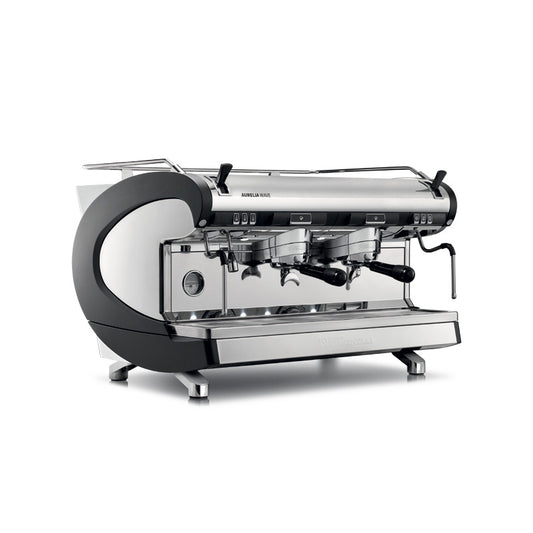
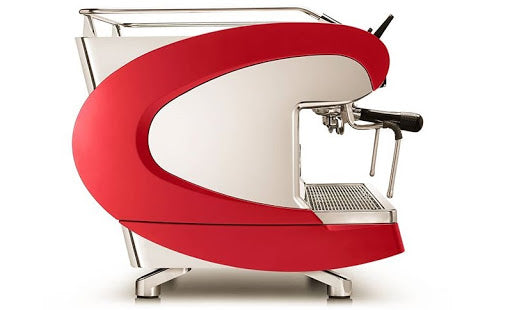
Nuova Simonelli Aurelia Wave Espresso Machines
Our customers include


and hundreds of cafés, restaurants and offices.

Lifetime Support

Fast Free Shipping

Warranty Included

Authorized Reseller
-
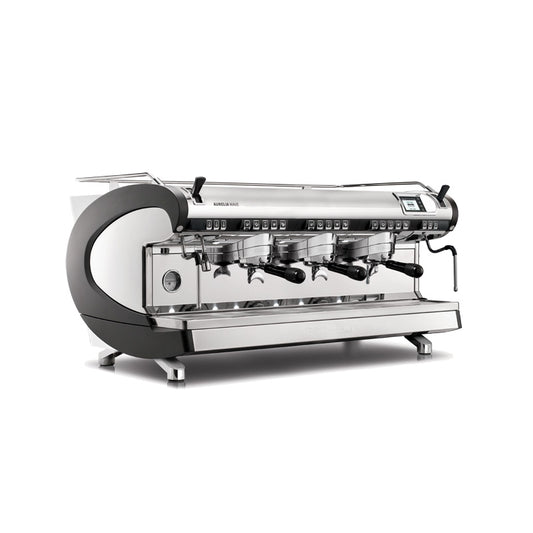
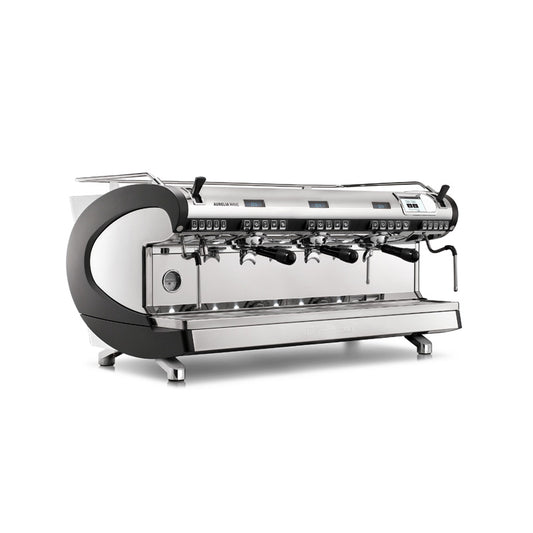
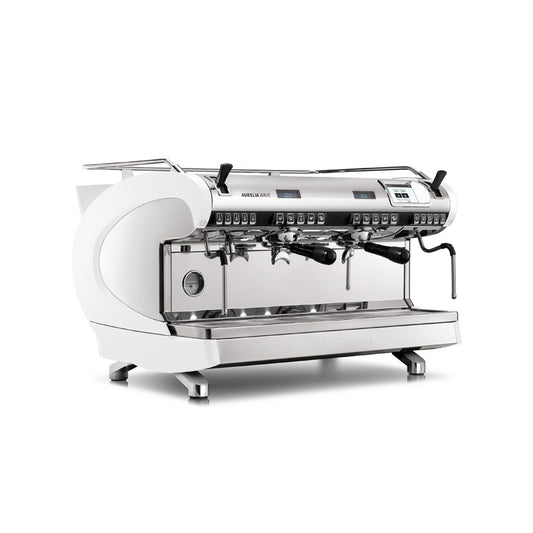
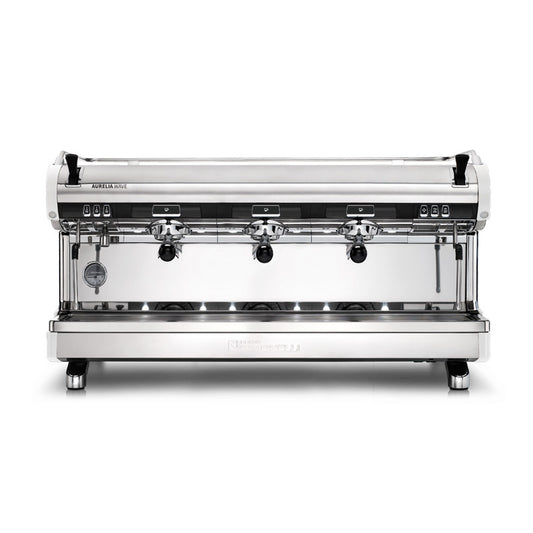
Nuova Simonelli Aurelia Wave 3 Group Volumetric
Vendor:Nuova SimonelliRegular price $ 15,100.00Regular priceUnit price per$ 13,800.00Sale price $ 15,100.00- 3-group, 17L boiler
- Programmable volumetric dosing
- Energy-saving eco mode
-
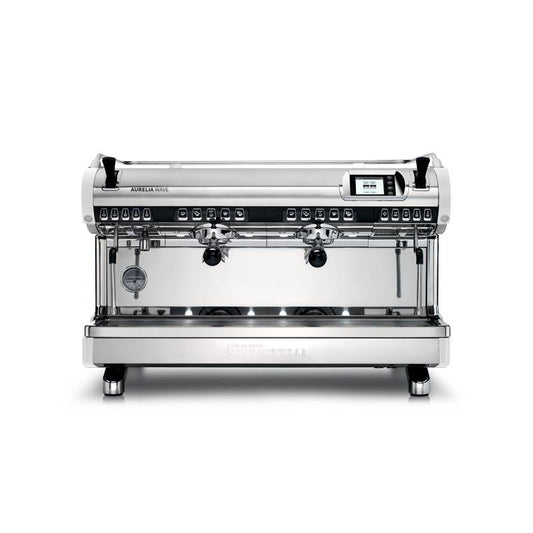
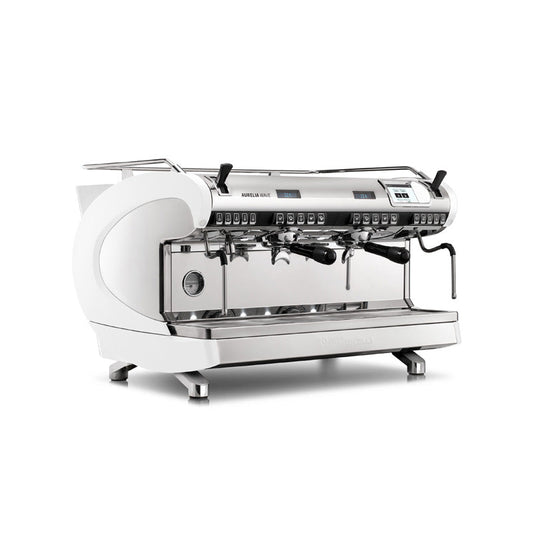
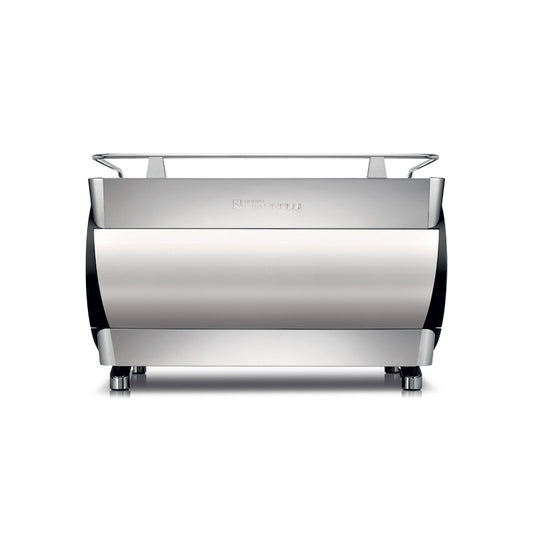
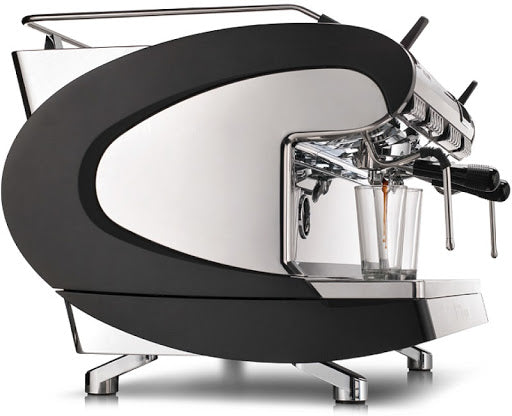
Nuova Simonelli Aurelia Wave 2 Group AV
Vendor:Nuova SimonelliRegular price From $ 12,700.00Regular priceUnit price per$ 12,800.00Sale price From $ 12,700.00- 2-group commercial configuration
- 14 L boiler capacity
- Automatic volumetric dosing (AV)
Sale -
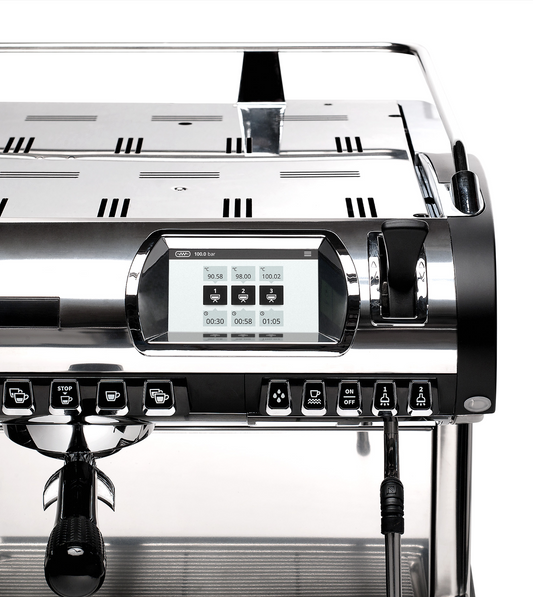
Nuova Simonelli Aurelia Wave DIGIT 2 Group AV
Vendor:Nuova SimonelliRegular price $ 16,600.00Regular priceUnit price per$ 18,500.00Sale price $ 16,600.00- 14 L heat-exchanger boiler
- Digital touchscreen controls
- Programmable volumetric dosing
Sale -
Nuova Simonelli Aurelia Wave T3 3 Group AV
Vendor:Nuova SimonelliRegular price $ 21,825.00Regular priceUnit price per$ 20,500.00Sale price $ 21,825.00- 3-group, 17 L boiler
- T3 three-zone temp control
- Electronic volumetric dosing
-
Nuova Simonelli Aurelia Wave T3 2 Group AV
Vendor:Nuova SimonelliRegular price $ 18,810.00Regular priceUnit price per$ 18,500.00Sale price $ 18,810.00- 14 L boiler capacity
- T3 digital temperature control
- Programmable volumetric dosing
-
Nuova Simonelli Aurelia Wave 3 Group Semi-Auto
Vendor:Nuova SimonelliRegular price $ 11,650.00Regular priceUnit price per$ 10,350.00Sale price $ 11,650.00- 3-group commercial configuration
- 17 L boiler capacity
- Manual semi-automatic extraction
-
Nuova Simonelli Aurelia Wave 2 Group EE
Vendor:Nuova SimonelliRegular price $ 9,999.00Regular priceUnit price per$ 8,900.00Sale price $ 9,999.00- 2-group commercial configuration
- Semi-automatic manual dosing
- Powerful commercial steam output
Why Buy from Coffeeionado
| Features | Us | Competitor |
|---|---|---|
|
Free shipping
|
|
|
|
Free Installations (220V machines)
|
|
|
|
Commercial Warranty
|
2 Years
|
1 Year
|
|
Insured Shipping
|
Always
|
|
|
Lifetime Support
|
|
|
|
Extended Warranty Available
|
|
|